

Bangladesh moves to ease foreign universities' academic operations

Dhaka: The University Grants Commission (UGC) is developing a national policy framework aimed at making it easier for foreign universities to conduct academic activities in Bangladesh while strengthening international collaboration among local higher education institutions.
The initiative is part of a broader effort to internationalize Bangladesh's higher education sector and align it with global standards, according to an UGC press release.
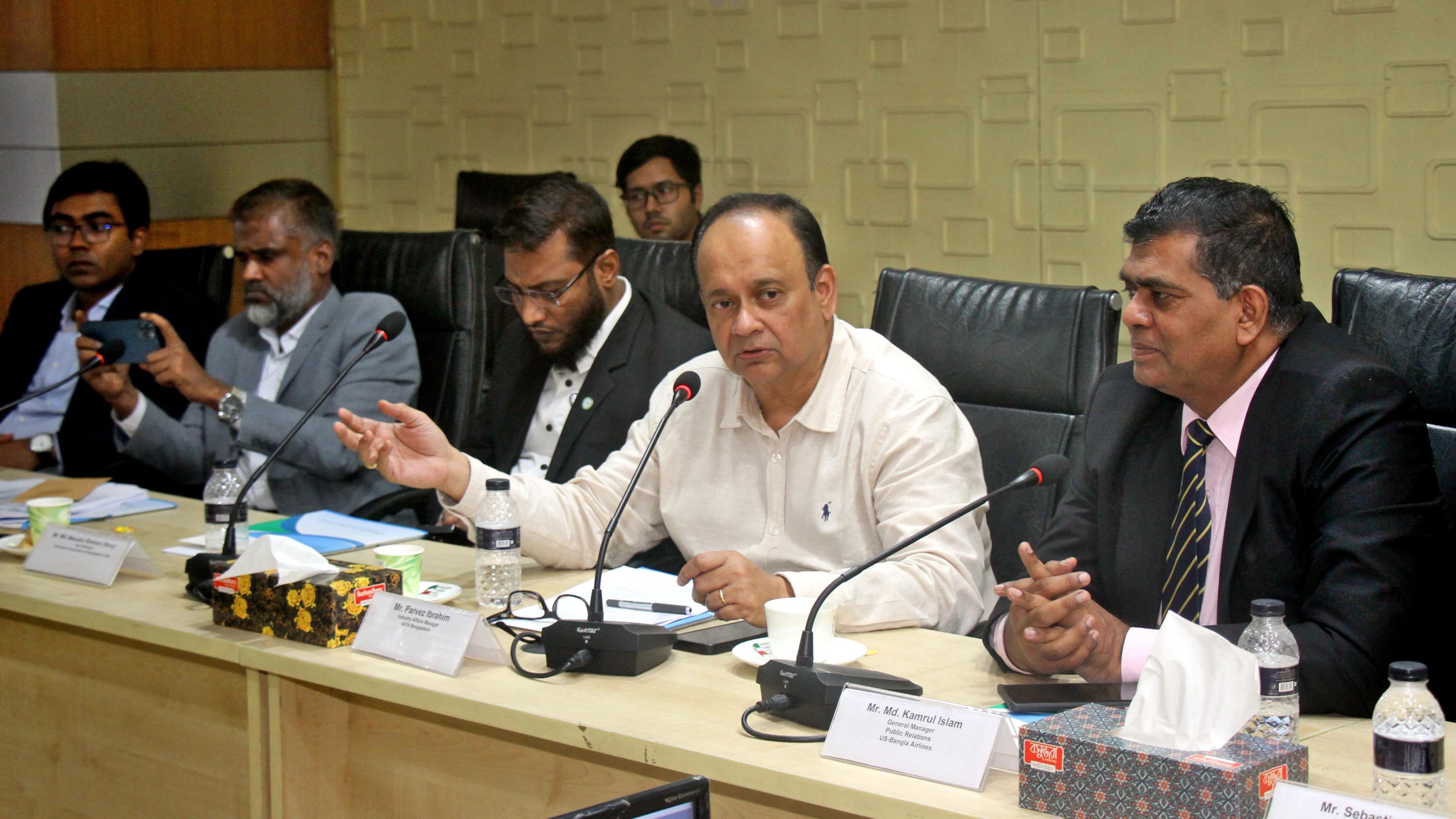
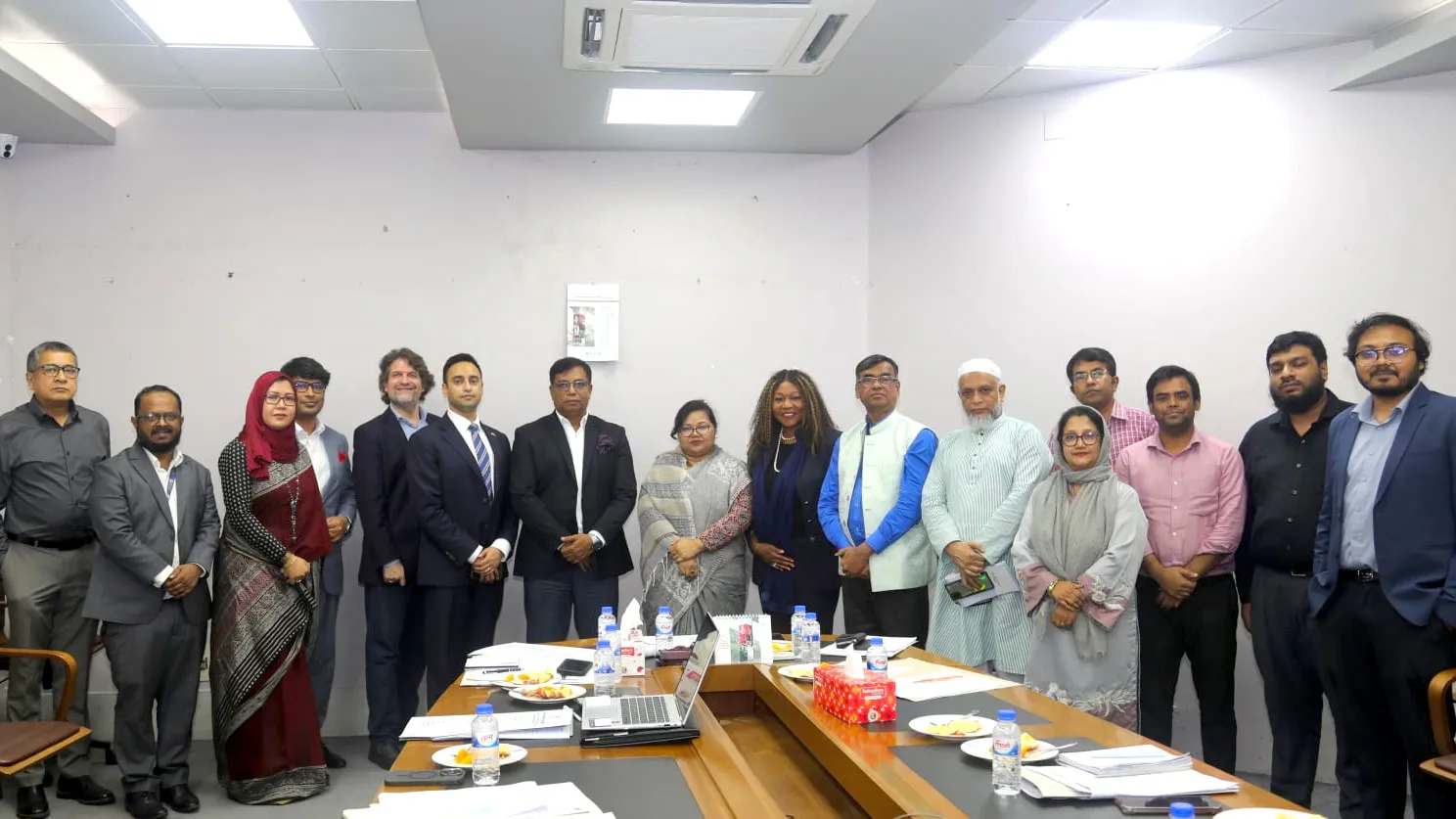
The policy development gained momentum at a high-level meeting held at the UGC headquarters on June 24, attended by representatives from the US Embassy, the British High Commission, and the British Council. UGC Chairman Professor Mamun Ahmed chaired the meeting.
Once implemented, the framework is expected to provide clearer guidelines for foreign universities seeking academic engagement in Bangladesh and facilitate partnerships between Bangladeshi institutions and universities in countries such as the United States and the United Kingdom.
Officials said the proposed framework would support a range of collaborative initiatives, including dual-degree and joint-degree programs, student and faculty exchanges, and joint research projects.
Higher education policy expert and Fulbright Specialist Dr. Grace Mukupa is assisting the UGC in formulating the framework. A working committee comprising representatives from the UGC, universities, the US Embassy, and the British Council has been formed to draft and review the policy, with instructions to submit its final recommendations within a short timeframe.
Speaking at the meeting, UGC Chairman Professor Mamun Ahmed said strengthening international partnerships in higher education is the primary objective of the initiative.
He said the framework is intended not only to expand global academic collaboration but also to ensure internationally recognized education standards in Bangladesh and make the country a more attractive destination for foreign students.
The proposed policy also includes provisions for introducing a "2+2" academic model. Under the arrangement, students would complete the first two years of their studies in Bangladesh and the remaining two years at a partner foreign university. Upon successful completion, students would be eligible to receive separate degrees from both institutions.