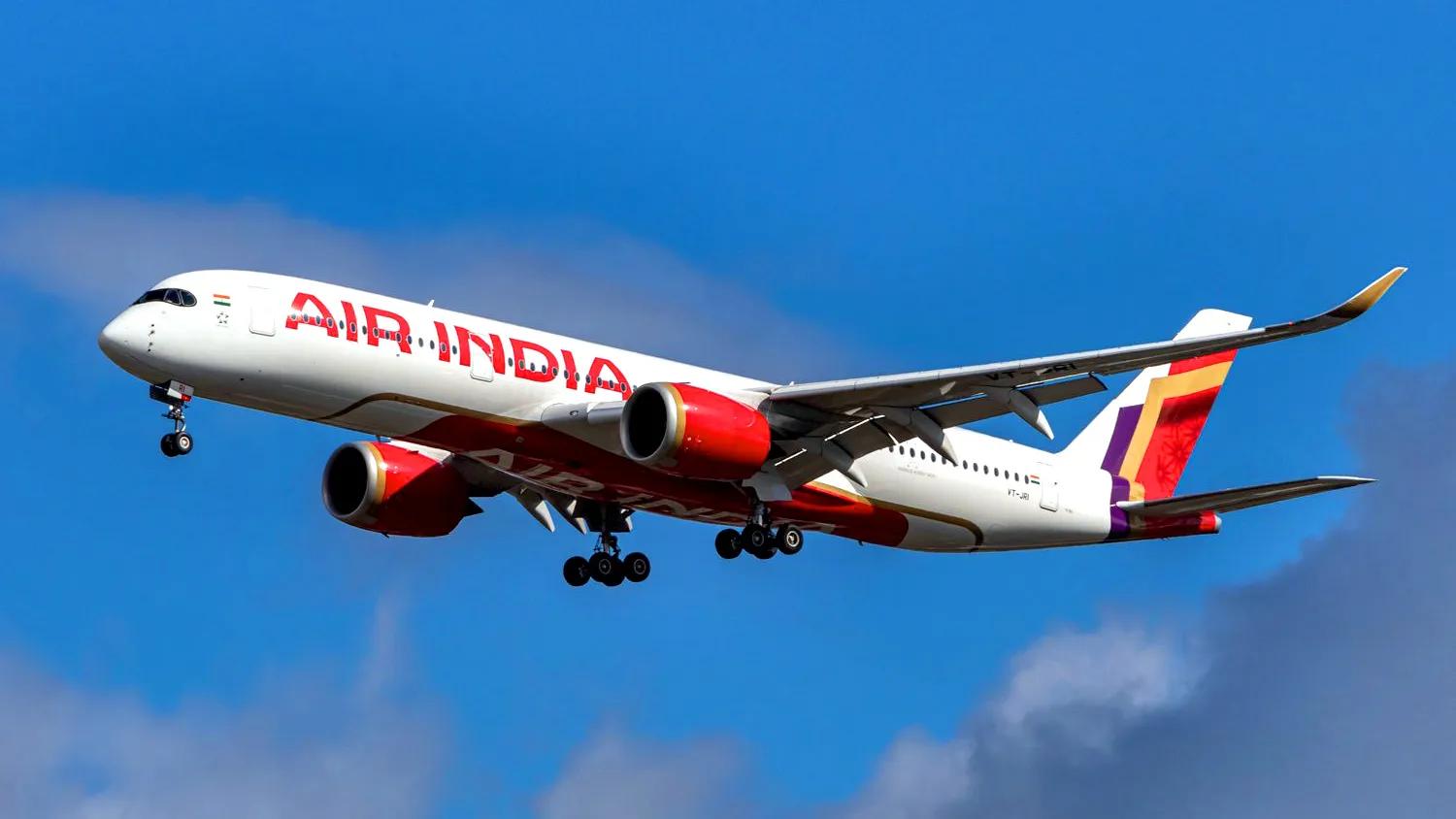


Asian carriers' Europe gains shrink as Gulf airlines bounce back

Dhaka: Asian airlines that picked up passengers and pushed fares higher on European routes following the start of the Iran conflict are now watching those gains shrink as Gulf carriers restore capacity and cut prices, according to industry data.
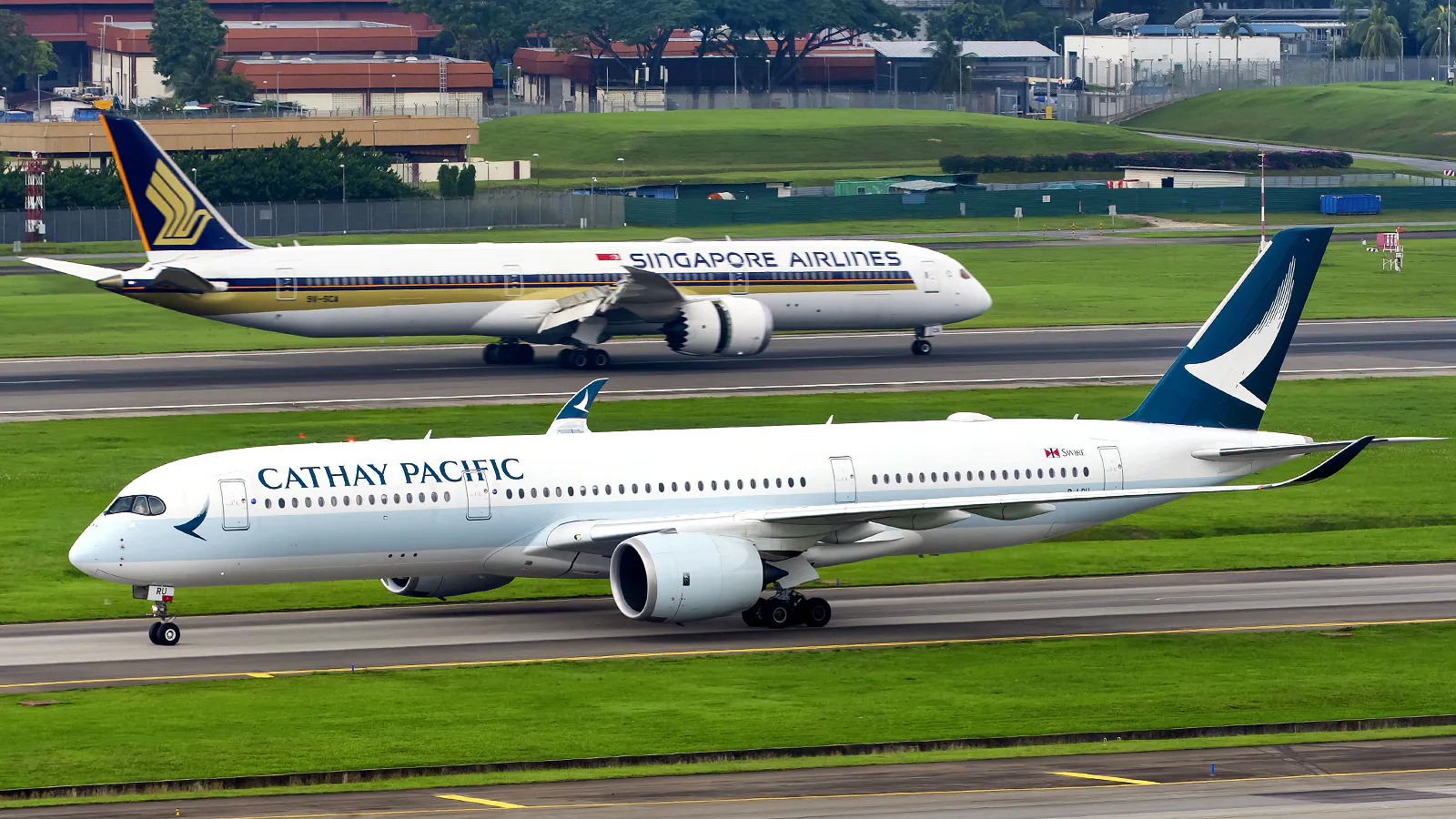
The shift has unfolded gradually, but it has raised questions over whether carriers such as Singapore Airlines, Cathay Pacific, Korean Air, and ANA Holdings can hold on to the market share they picked up during the disruption.
Nathan Gee, Head of Asia-Pacific Transportation Research at BofA Global Research, said the industry has passed the peak of load factor gains for Asian carriers, though long-haul bookings run on a six-month window, meaning the strongest revenue impact may still show up in coming quarters.
Emirates, Qatar Airways, and Etihad Airways together carried nearly a third of passengers traveling from Asia to Europe, and more than half of those from Australia and New Zealand to Europe, before the conflict began.
When the Iran war started on February 28, the Gulf carriers' hub airports shut down due to drone and missile attacks. By mid-June, their flights had recovered to roughly 90% of normal levels.
Between March and May, Middle Eastern carriers' passenger numbers improved from a nearly 60% year-on-year drop to a 28% decline, per International Air Transport Association data. Non-stop Asia-Europe traffic, which was up almost 30% year-on-year in March, saw that gain narrow to 15% by May.
In June, Australia lifted a "do not travel" warning that had voided travel insurance for trips through Gulf hubs. Flight Centre Travel Group reported bookings on Emirates, Qatar, and Etihad rose 36% the following week.
Michael Schischka, a senior adviser at Mary Rossi Travel in Sydney, said some travelers with pre-war Gulf carrier bookings had purchased refundable backup tickets on Asian airlines while assessing safety. Most, he said, now feel more comfortable flying through the Middle East again.
A Korean Air spokesperson said the carrier saw a year-on-year rise in load factors on European routes between March and May, though transfer traffic softened as Gulf carriers resumed operations through the second quarter.
ANA said its European load factor slipped from 93.1% in March to 86.9% in April, still up 8.7 percentage points year-on-year. Cathay Pacific's network-wide load factor rose 2 percentage points to 86.8% in May from a year earlier, down from a 9.5-point gain in March.
Independent aviation analyst Brendan Sobie said the numbers reflect a gradual rebalancing rather than a sudden one, pointing to Singapore Airlines as a clear example. The carrier's Europe load factor jumped 13.8 percentage points in March, but the increase slowed to 4.9 points in April and just 1.1 points in May.
Sobie said load factors for both Europe and Australia normalized in May after a large uptick in March and a smaller one in April, calling the trend gradual rather than an overnight shift.
Cherie Lavin, a travel agent at Travel My Dear in Brisbane, said clients booking trips within the next one to three months remain hesitant about flying with Middle Eastern carriers. However, she said bookings for next year are being made without hesitation and are being received well.